7 Signs AI Research Tools Left You Unready to Defend Your Thesis
AI tools can produce a thesis you cannot fully explain. In the viva, the gap between what the tool wrote and what you understand becomes the examiner's first question.
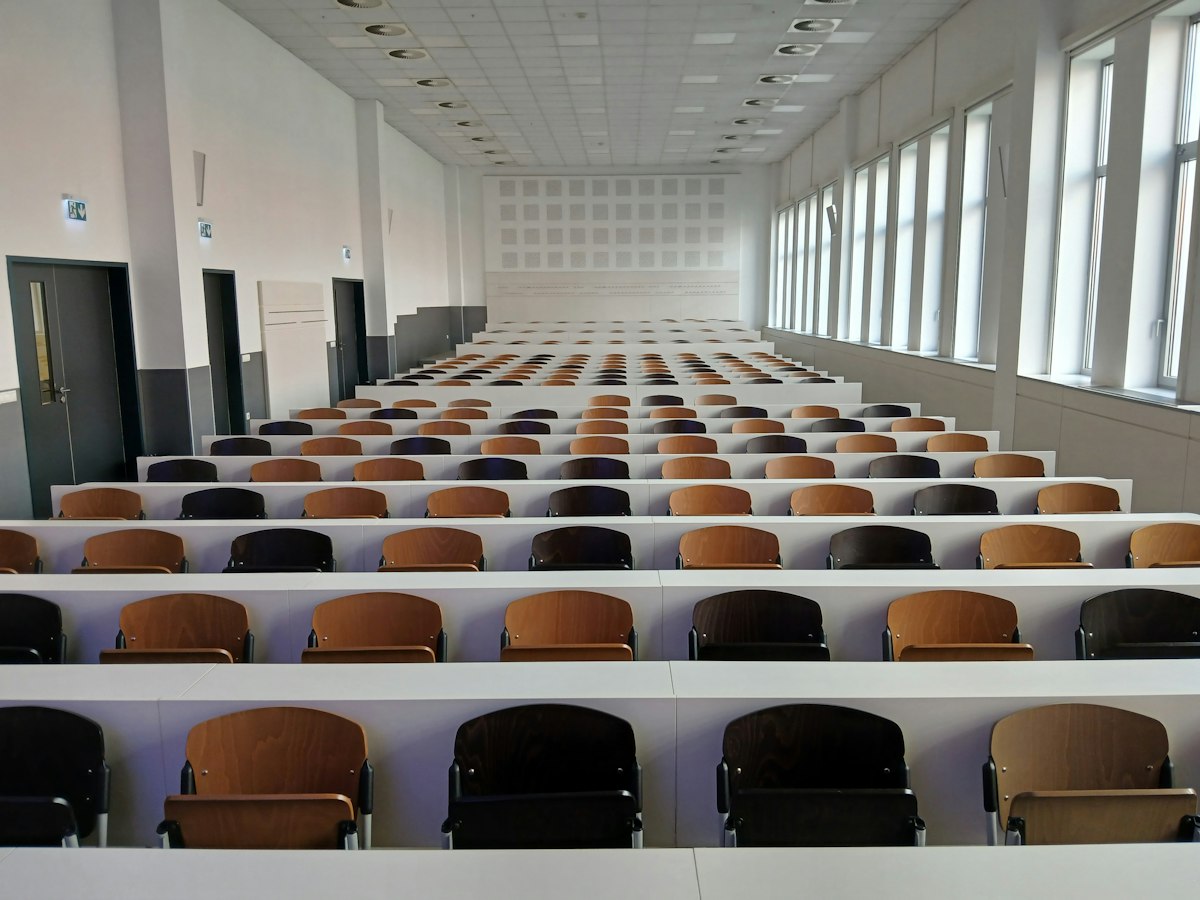
The thesis you submitted and the answers you could not give
A viva tests one thing above all: whether the work is yours in the sense that matters, which is that you understand it well enough to defend every choice. AI research tools have made it possible to produce a thesis where parts of the reasoning were generated rather than thought through. The text reads well. The candidate cannot always explain why it says what it says.
This is not a hypothetical risk. A 2025 study of 666 participants found that those who relied heavily on AI demonstrated lower critical thinking, and that the more confident they were in the AI, the less critical they became. Researchers describe the effect as cognitive debt: the intellectual work of forming hypotheses, weighing evidence, and drawing conclusions gets bypassed, and the understanding that work would have produced never forms. The debt comes due in the examination room.
Examiners read the full thesis and ask questions anchored to specific passages. When a passage was generated rather than reasoned, the candidate is defending a position they did not build. The seven signs below are the ones that predict trouble, and each one is addressable before the viva if you catch it.
Why the viva exposes outsourced thinking
The oral examination is structured to find the gap between the document and the candidate. Examiners do not ask you to recite the thesis. They ask why you made the choices you made, what you would do differently, and how your work connects to the literature. These questions test the reasoning behind the text, which is exactly what an AI tool cannot transfer to you along with the output.
A candidate who used a tool to synthesise an argument can reproduce the argument and stall on the reasoning. The examiner asks “why did you frame it this way rather than the alternative,” and the honest answer is that the framing was generated. Habitual dependence on AI for analysis reduces engagement with the underlying material, so the candidate never developed the position they are now asked to defend. Thesisroom’s mock viva coach generates examiner-grade questions anchored to passages in your own thesis, which surfaces these gaps while you can still close them.
The signs that follow are diagnostic. None of them means the work is not yours. They mean the understanding has not caught up to the document, and the viva is where that lag becomes visible. Whether a given use was allowed in the first place is a policy question; see can you use ChatGPT for your thesis and is using AI for a thesis misconduct.
Signs one through four: the warning signals in your own work
The first sign is that you cannot summarise a chapter without rereading it. If a section of your thesis is yours in the deep sense, you can state its argument from memory. If you have to return to the text to remember what you claimed, the reasoning lives in the document rather than in you.
The second sign is that you cannot explain why you chose your methodology over the alternatives. Methodology questions are the most reliable part of a viva, because the choice of method reveals whether you understood the problem. A candidate who accepted a tool’s suggested approach without weighing the alternatives has no answer to “why this and not that,” which is the question examiners ask first.
The third sign is that your literature review cites papers you have not read. A deep research tool can populate a review with sources, and a candidate under time pressure can accept them. In the viva, an examiner asks how a specific cited paper relates to your argument, and the candidate who has not read it cannot answer. The citation was the tool’s; the gap is the candidate’s.
The fourth sign is that you cannot defend your contribution claim. Every thesis claims to add something. A candidate who can state the claim but not explain precisely how their work extends the prior literature has a contribution they have not internalised. Examiners probe the contribution claim hard, because it is the thesis’s reason to exist, and a generated claim has no reasoning behind it for the candidate to recover.
Signs five through seven: the patterns that surface under questioning
The fifth sign appears in mock examination: you answer the question you expected rather than the one asked. Candidates who prepared by rehearsing scripted answers, often generated alongside the thesis, default to those scripts under pressure. The examiner asks something adjacent, and the candidate delivers the rehearsed response to a different question. The mismatch tells the panel the preparation was memorisation, not understanding.
The sixth sign is that you cannot identify your own limitations. A strong limitations section comes from understanding where your design is vulnerable. A candidate who relied on a tool to write the limitations chapter often cannot extend it under questioning, because identifying a limitation requires the same understanding that would have produced it. When the examiner asks “what is the biggest weakness in your study,” the generated answer runs out and the candidate has nothing behind it.
The seventh sign is the tell that examiners watch for most closely: you agree too quickly. A candidate who understands their work can defend it, concede a fair point, and distinguish between the two. A candidate who outsourced the thinking tends to agree with whatever the examiner proposes, because they have no independent position to hold. Excessive agreement signals that the candidate cannot tell a sound criticism from an unsound one, which is the clearest evidence that the reasoning is not theirs. It is also why the viva tests ownership better than software does; see how universities detect AI writing.
These three signs are behavioural, which means a mock viva reveals them where reading the thesis does not. A candidate can have a clean document and still display all three under questioning. The only way to find out is to be examined before the examination, which is what the modules overview is built around. Our introduction sets out what Thesisroom checks.
What Thesisroom does with this
Thesisroom’s mock viva coach reads your full thesis and generates examiner-grade questions anchored to specific passages. You answer in writing or by voice, and the answers are scored on clarity, depth, and accuracy. The questions target the choices a real examiner targets: your methodology, your sample, your contribution claim, and the connections between your cited literature and your argument. Where you cannot answer, the gap is identified against the exact passage that produced it.
The tool does not write your answers or tell you what to say. It surfaces the questions you will face and shows you where your understanding lags the document, so you close the gap through your own preparation rather than through another generated response. The approach follows the method: every question is anchored to a passage, and the thinking stays the candidate’s. The point is not to pass a simulation. It is to find the cognitive debt while there is still time to repay it.
Frequently asked questions
Can using AI research tools make me unprepared for my viva?
Yes, if the tools did reasoning you did not. A 2025 study found heavy AI reliance correlated with lower critical thinking, and that higher confidence in the AI reduced critical engagement further. The understanding the bypassed work would have produced never forms, and the viva tests exactly that understanding.
What is cognitive debt in the context of a thesis?
Cognitive debt describes the understanding you skip when a tool does the intellectual work of forming hypotheses, weighing evidence, and drawing conclusions. The output exists but the reasoning behind it never entered your mind. In the viva, examiners ask about that reasoning, and the debt comes due.
How do examiners detect outsourced thinking?
They ask why you made your choices, not what your thesis says. Questions about methodology, contribution, and the connection between cited papers and your argument test the reasoning behind the text. A candidate who can reproduce the argument but not its reasoning reveals the gap, often by agreeing too quickly or answering a different question than the one asked.
Why is agreeing too quickly a warning sign in a viva?
A candidate who understands their work can hold a position, concede a fair point, and tell the difference. One who outsourced the thinking tends to accept whatever the examiner proposes, because they have no independent position. Excessive agreement signals an inability to distinguish sound criticism from unsound, which examiners read as a lack of ownership.
Can a mock viva reveal gaps that reading my thesis does not?
Yes. Several warning signs are behavioural and only appear under questioning: defaulting to rehearsed answers, failing to extend a limitations section, agreeing too readily. A clean document can hide all three. A mock examination surfaces them while there is still time to address the underlying understanding.
Can a tool simulate the questions a real examiner would ask?
Thesisroom’s mock viva coach reads your full thesis and generates questions anchored to specific passages, targeting the choices real examiners probe. The questions are not generic; they come from your methodology, your sample, and your contribution claim, which is where genuine vivas concentrate.
One thing to do before your viva
For each chapter, close the document and explain its argument aloud, then explain why you made your central methodological choice over the alternative. The chapters where you stall are the ones carrying cognitive debt, and they are the chapters an examiner will find. Thesisroom’s mock viva coach generates the anchored questions that locate those gaps against your own thesis, so you repay the debt through preparation rather than discover it in the room.