· By Thesisroom
Updated
What to Bring With You Into Your Viva (The Essential Kit)
What to bring to a viva is a small logistics decision with a real payoff. Here is the essential kit that supports composure and specific answers, from your annotated thesis to a bottle of water.
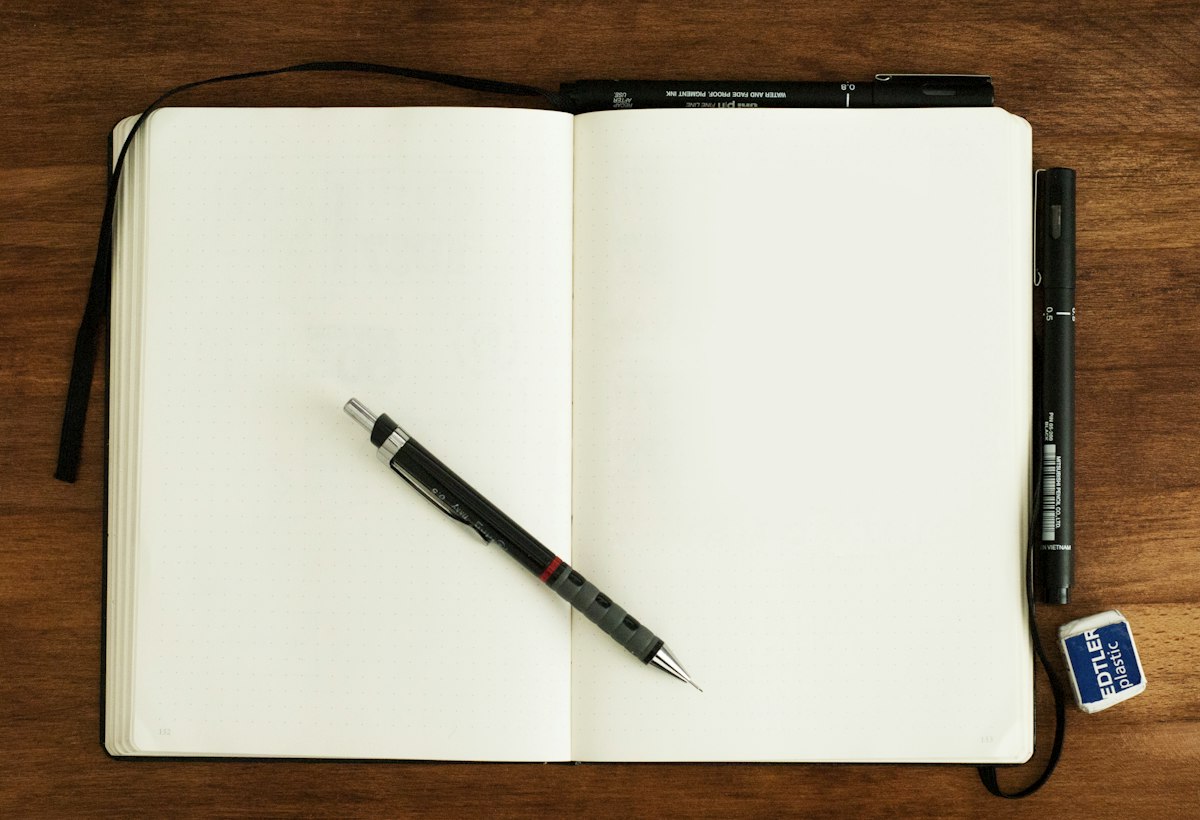
The kit that supports composure
What to bring to a viva is a small logistics decision with a real payoff. Vitae and university viva-preparation guides converge on a specific short list. Bringing the right items supports composed answers and quick page-finding; forgetting them creates friction the room does not need (Vitae, 2026; Edinburgh IAD).
The kit below fits in a small bag. Nothing on the list is optional in the sense that any single item alone matters; the list matters as a set, because together the items remove specific sources of in-room friction.
Item 1: your annotated thesis
Bring a printed copy of your thesis, annotated with tabs, sticky notes, or coloured markers on the chapters and sections you expect the panel to reference. This is the single most important item.
Annotate before the day, not on the day. Chapter tabs let you find the methodology chapter at once when the panel asks about it. Sticky notes on specific pages mark the passages you know the panel will return to. Highlighter marks the sentences you want to be able to point to quickly.
Bring it in a folder or ring binder that opens flat, so you can find pages without the thesis closing on you. A hardback bound copy is harder to work with than a printed loose-leaf version.
Item 2: a one-page chapter summary sheet
Print a single page with one line per chapter summarising the argument, plus the two most likely questions the panel could ask about it. This is your emergency reference if a specific question catches you off guard.
Do not read from it during the viva; use it as a memory aid you glance at briefly. The one-page format keeps the aid small enough that you cannot hide behind it.
Item 3: water
A bottle or glass of water. Panels expect this. Sipping water gives you a natural pause when you need to think, without looking like you are stalling. Water also helps with dry mouth, which is a real physiological response to viva nerves.
Do not bring a large drink; a standard 500 ml bottle or a glass the room provides is enough.
Item 4: a pen and notepad
For noting the specific questions the panel asks (especially long or multi-part questions), and for jotting down anything you want to raise at the closing “any questions” moment. A single sheet of paper is enough; a notebook is fine.
Do not spend the viva writing extensive notes; the exam is a conversation, not a dictation exercise. Notes are for the specific moments where writing helps you keep track.
Item 5: your one-minute contribution answer, on a small card
Optional but useful: a small card with your one-minute contribution answer written out in the exact words you have rehearsed. If the opening “tell us about your research” question comes and your mind goes blank, a glance at the card resets the delivery.
This is a safety net, not a script. Do not read from the card during the answer; the point is that seeing the first line unlocks the memorised version.
Item 6: examination paperwork
Any forms your institution requires you to sign before or after the exam. Your student ID or equivalent. If the panel wants formal ID checks, having it saves a trip out of the room.
Check your institution’s specific requirements a week before. Some universities require candidates to bring specific forms; others handle the paperwork entirely on the panel side.
Item 7: a change of top, if the venue allows
Small but real: for candidates who sweat visibly under pressure, a spare top in your bag lets you change during a break if needed. Some vivas run three hours with a break; having a fresh shirt keeps discomfort from becoming a distraction.
Not every venue has bathrooms nearby; check in advance. This is a personal-preference item, not a universal one.
What not to bring
Some items look useful and are not:
A laptop or tablet. The panel usually does not want you searching mid-answer. If your presentation is on a laptop, bring it, but use it for the opening only. The rest of the viva runs on the printed thesis.
Your full research notes or field journals. The panel is not going to check them. They add bulk to your bag without adding value in the room.
Snacks. Some vivas run long, but eating during the exam is not standard. If the venue permits a break, you can eat then.
Multiple copies of the thesis for the examiners. They already have their own copies. Bringing extras just adds weight.
A phone that pings. Turn it off or leave it silent. A phone alert mid-viva reads badly and is entirely avoidable.
Setting up before the viva starts
Arrive 15 minutes early. Use the time to:
- Take out the thesis and chapter summary sheet
- Pour water into the glass if one is provided
- Set the pen and notepad within reach
- Take a bathroom break
Being set up when the panel walks in reads as prepared. Fumbling with a bag while the chair opens the room reads as anxious.
What Thesisroom does with this
The kit above does not fix a thesis you cannot defend. It supports the defence you have already prepared. The preparation itself runs in the writing months. Thesisroom’s chapter audit reviews chapters before the viva. Citation Check verifies the bibliography. Defense Practice generates anchored questions from your thesis.
The kit brings the defence you have prepared into the room. The tool builds the defence in the months before.
Frequently asked questions
Do I have to bring my thesis if the panel already has it?
Yes, bring your own annotated copy. The panel’s copies are for them; yours is for you to find pages quickly when questions arrive. An annotated thesis is one of the specific items Vitae recommends every candidate bring (Vitae, 2026).
Can I bring notes I can read from?
Notes for finding pages and one-line chapter summaries are expected. Prepared answers you plan to read aloud are not. Panels can tell when a candidate is reading rather than answering, and reading reads worse than pausing to think.
Should I bring my laptop?
Only if your presentation requires it. After the presentation, the laptop usually stays closed. The viva is a conversation about the printed thesis; laptops become a distraction during questioning.
What if I forget something?
Panels are used to candidates arriving with less than the full kit. If you forget your annotated thesis, the panel will lend you their unannotated copy; you can still answer from memory. If you forget water, ask for a glass. What matters most is composure, not the kit.
Is there a dress code?
Most institutions expect professional but not formal dress: what you would wear to a job interview. Some UK institutions expect academic dress for the viva itself; check your programme’s specific requirement. When in doubt, dress a step more formal than you think is needed.
How does Thesisroom help with viva preparation?
Chapter Audit reviews chapters for structural weaknesses. Citation Check verifies the bibliography. Defense Practice generates anchored questions from your text. The tool prepares the defence you bring into the room; the kit above supports delivering it well on the day.
One takeaway before you close this tab
The viva kit is small: annotated thesis, one-page chapter summary, water, pen, notepad, contribution-answer card, paperwork. Arrive 15 minutes early and set up. When you want the defence itself prepared across the writing months, Thesisroom’s method is built for that seat.
References
Edinburgh IAD. Guide for Viva Preparation.
Vitae. (2026). The viva.